


If your search history looks like “i have no job experience and need a job,” you are not behind. You are at the start of a process that many students, graduates, school leavers and career changers go through.
The hardest part is that most job advice assumes you already have something to put on your resume. But employers are not only looking for paid experience. For entry-level roles, they are usually looking for signs that you can learn quickly, turn up reliably, communicate clearly and handle basic responsibility.
Your job is to make those signs easy to see.
This guide walks through practical steps you can take when you need work but do not yet have formal experience. The goal is not to pretend you have done more than you have. It is to show the value you already have, build a small amount of proof quickly and apply with more focus.
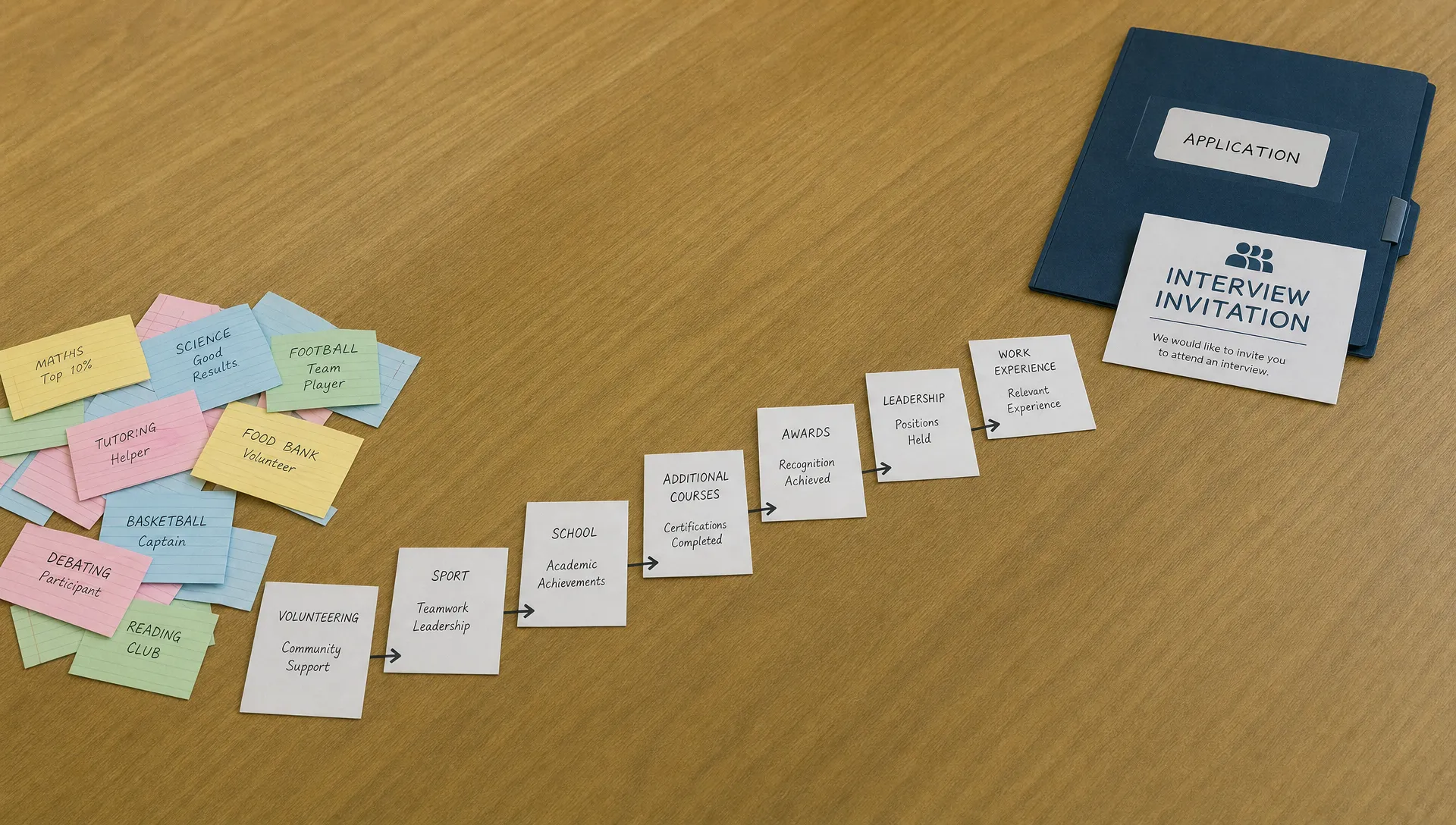
Most first-time job seekers think experience means a previous job title. Employers often think more broadly.
If you have helped at a family business, volunteered at an event, completed school projects, played sport, cared for siblings, managed a club activity, sold items online or completed a TAFE or university assignment, you have evidence of skills. It may not look like work experience yet, but it can become useful resume content when framed properly.
For example, “helped at home” is vague. “Handled weekly grocery budgeting for a household of five” says more. “Group assignment” sounds ordinary. “Coordinated a four-person project, created the presentation and submitted before deadline” shows teamwork, communication and organisation.
The shift is simple: do not ask, “Have I had a job?” Ask, “Where have I already shown responsibility?”
When you urgently need a job, it is tempting to apply for everything. That usually creates a weak resume because every application sounds generic.
Start by choosing one or two job lanes that match your current strengths, schedule and location. In Australia, common starting points include retail assistant, café team member, crew member, warehouse assistant, receptionist, junior admin assistant, customer service representative, call centre operator, childcare trainee, hospitality all-rounder or entry-level labouring role.
A realistic first job lane usually has these signs:
Avoid spending most of your energy on roles asking for two or more years of direct experience unless you have strong transferable experience from another area. You can still apply occasionally, but your main effort should go into roles where the employer is already open to training someone.
A resume with no experience feels difficult because people start with the blank page. Start with raw material instead.
Open a document and list every example you can think of from school, uni, TAFE, sport, volunteering, family duties, hobbies and personal projects. Do not worry yet about whether it sounds professional. Capture the facts.
Useful prompts include:
Once you have 15 to 25 examples, choose the ones that match your target role. A retail job may value communication, reliability and handling busy periods. A junior admin role may value accuracy, document formatting and phone confidence. A warehouse role may value safety, stamina, punctuality and following instructions.
If you are unsure which skills belong on your resume, use job ads as your guide and focus on skills for your resume that employers actually notice, not every skill you have ever heard of.
If you truly have very little to show, do not wait for someone to give you experience. Build a small amount of proof over the next 7 to 14 days.
You do not need a perfect internship or a major project. You need credible examples that show initiative.
Good options include:
Be careful with unpaid work. In Australia, unpaid trials and internships can raise legal issues if you are doing productive work that should be paid. Volunteering for a genuine not-for-profit or completing a short learning project is usually a safer way to build proof. If in doubt, check the Fair Work Ombudsman guidance before agreeing to anything.
The aim is to add recent, honest evidence to your resume. “Completed a two-week volunteer admin project for a local club, organising member records and creating a basic event checklist” is stronger than “hardworking and motivated” with nothing behind it.
A common mistake is making the resume sound like an apology: “I have no experience but I am willing to learn.” Willingness matters, but it needs proof.
Your resume should lead with fit, not lack.
For a no-experience resume, use a simple structure:
Your summary might sound like this:
“Reliable Year 12 graduate seeking an entry-level retail role. Strong communication skills developed through school presentations, team sport and volunteer fundraising. Available weekdays after 4 pm and weekends, with a strong record of punctuality and learning quickly.”
That is honest, specific and relevant. It does not claim paid retail experience. It still gives the employer reasons to keep reading.
When describing projects or unpaid examples, use clear action words and outcomes. Replace “helped with fundraiser” with “set up donation table, greeted attendees and helped collect over 80 donations during a school fundraising event.” If you do not have numbers, describe scope: number of people, timeframe, tools used or type of responsibility.
A cover letter is useful when your resume does not tell the whole story. It should not be a long personal essay or a repeat of your resume. It should help the employer understand why you are a sensible risk to train.
Keep it short and direct. A strong no-experience cover letter usually does three things:
For example:
“I am applying for the customer service assistant role because I enjoy helping people solve practical problems. Through my school leadership role, I regularly answered questions from younger students, helped organise weekly activities and followed up when tasks were missed. I understand this role requires patience, clear communication and reliability, and I am available for the advertised evening and weekend shifts.”
That is much stronger than “I really need a job.” Employers know people need jobs. They are trying to work out who can do the work with training.
Not all entry-level ads are equal. Some say entry-level but still expect previous experience. Others genuinely hire beginners. Read the ad closely.
Good signs include phrases like “training provided,” “no experience necessary,” “school leavers welcome,” “junior position,” “attitude over experience” or “full training on the job.” You can also look for employers with structured onboarding, larger teams or high staff turnover environments where training new people is normal.
Be selective enough to tailor your application, but not so selective that you only apply to three jobs and wait. A good starting rhythm is to apply for a manageable number of suitable roles each week, then review what is working.
For a deeper process, it helps to use job hunting strategies for better application results rather than relying on one rushed resume for every listing.
One reason first-time job seekers feel stuck is that they do not know whether their application is actually competitive. You might think the problem is your lack of experience when the real issue is a vague resume, poor role targeting or missing availability.
A useful mindset is benchmarking. In the same way investors use tools such as Upside Invest to compare portfolios against real market behaviour, job seekers can compare their resume against real job ads and look for gaps. The goal is not to copy anyone. It is to stop relying on guesswork.
For each role you apply to, ask:
This is where many applicants improve quickly. If five retail ads all mention cash handling and customer enquiries, and your resume does not mention communication, accuracy or any money-related responsibility, you have found a fixable gap.
When you have no experience, small details matter because they reduce perceived risk.
Make sure your voicemail is set up. Use a simple email address with your name. Answer unknown calls professionally when you are job hunting. If you miss a call, return it the same day. Attach your resume as a PDF unless the employer asks for another format. Name the file clearly, such as “Ava Nguyen Resume.pdf.”
For shift-based roles, include availability honestly. If you can work Friday evenings, weekends and school holidays, say that. If you cannot work certain days, do not hide it. Employers would rather know upfront than discover later that the roster will not work.
Also, follow instructions. If the ad asks for a short answer, write one. If it asks you to apply through a portal, use the portal. Entry-level hiring often rewards candidates who are easy to contact, organised and responsive.
You may get called quickly, especially for casual or entry-level roles. Do not wait until the night before to prepare.
Most beginner interviews test attitude, communication and reliability. Prepare short examples for:
Use examples from school, sport, volunteering, family responsibilities or projects. Keep them real. A simple story told clearly is better than a dramatic story that sounds rehearsed.
A useful structure is situation, action and result. For example: “In a group assignment, two members were behind, so I created a shared task list and checked in every second day. We submitted on time and received a distinction.”
You are showing how you behave, not pretending you have years of workplace experience.
Your first version of your resume does not need to be perfect. It needs to be good enough to test, then improve.
Track each application in a simple document with the role title, company, date applied, resume version and outcome. After two weeks, look for patterns.
If you are getting no responses, your resume may not be targeted enough or you may be applying for roles that are too far above your current evidence. If you are getting interviews but no offers, practise interview answers and check whether your availability, presentation or confidence is holding you back. If employers call but you miss them, fix your phone habits.
Small improvements compound. A clearer summary, better skill examples and more targeted applications can change your results faster than sending 50 more generic resumes.
Desperation can lead to shortcuts that hurt your chances. Avoid these common mistakes:
The first job does not have to be your dream job. It needs to help you build a record of reliability, workplace communication and responsibility. Once you have that first role, every future application gets easier.
Can I get a job with absolutely no experience? Yes. Many employers hire entry-level candidates for attitude, reliability, availability and trainability. Your resume should show proof from school, volunteering, projects, sport or everyday responsibilities instead of focusing on what you do not have.
What should I put on my resume if I have never had a job? Include a short summary, relevant skills, education, projects, volunteering, extracurricular activities, achievements, certificates and availability. Use examples that show communication, teamwork, punctuality, problem solving and responsibility.
Should I say “no experience” in my cover letter? You can acknowledge that you are applying for an entry-level role, but do not make your lack of experience the main point. Focus on why you fit the role, what strengths you bring and one example that proves you can learn and contribute.
What jobs are easiest to get with no experience? Common starting roles include retail assistant, café team member, fast food crew, warehouse assistant, junior admin assistant, receptionist, customer service representative, event staff and trainee roles. The best option depends on your availability, location and strengths.
How many jobs should I apply for each week? There is no perfect number. A focused approach usually works better than mass applying. Aim for a consistent weekly target you can tailor properly, then track responses and improve your resume based on the patterns you see.
Having no paid experience does not mean you have no value. It means your application needs to make your potential easier to understand.
Versadox helps job seekers build stronger resumes and cover letters, compare applications against real roles, identify gaps and understand their readiness before applying. If you are starting from zero, that clarity can help you stop guessing and start improving with purpose.
Use your first application as a starting point, not a final verdict. Build proof, target realistic roles and keep sharpening the way you present yourself. The first job is often the hardest to land, but it is also the one that gives you the foundation for everything after it.
This is a div block with a Webflow interaction that will be triggered when the heading is in the view.
Drop your resume in and get a real score in under a minute — plus the single biggest thing holding it back. No account needed.
Get my free score


