The Success Books Worth Actually Reading — And What to Do With Them Afterward
Jacob Atkinson
Versadox Founder
Most career advice repeats itself. Network more. Tailor your resume. Follow your passion. It's not wrong, exactly — it's just worn smooth from overuse, to the point where reading it doesn't change what you do on Monday morning.
So instead of another generic list of tips, here are five books that actually hold up — the ones built on research or hard-won experience rather than a LinkedIn platitude — and, more importantly, what to actually do with each one once you've read it. Reading without application is just a more expensive form of scrolling.
Atomic Habits — James Clear
The idea: Clear's core argument is that outcomes are the lagging measure of systems. You don't rise to the level of your goals; you fall to the level of your systems. A 1% improvement compounded daily beats a big, unsustainable overhaul every time.
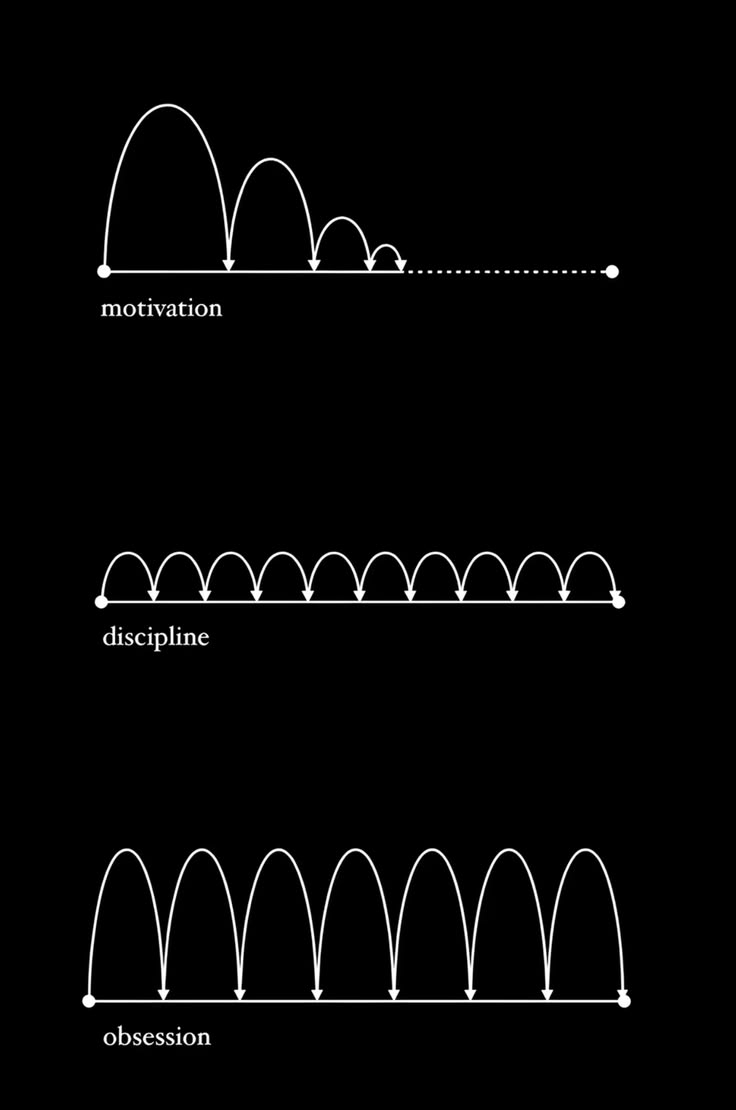
What to actually do with it: Pick one job-search or career habit and make it embarrassingly small — five minutes of tailoring one application properly, one message to a former colleague a week, ten minutes reviewing your resume against a real job ad. The book's real value isn't the theory; it's using it to build a system you'll still be running in a month, instead of a plan you abandon by Thursday.
So Good They Can't Ignore You — Cal Newport
The idea: Newport pushes back hard on "follow your passion," arguing instead for building rare and valuable skills first — what he calls career capital — and letting genuine passion and autonomy follow from competence, not the other way around.
What to actually do with it: Instead of asking "what am I passionate about," ask "what skill, if I built real depth in it, would make me hard to overlook." Then check that skill against what your target roles are actually asking for. A skill nobody is hiring for isn't career capital — it's a hobby.
Mindset: The New Psychology of Success — Carol Dweck
The idea: Dweck's research draws a hard line between a fixed mindset (ability is static, so failure is a verdict) and a growth mindset (ability develops, so failure is data). The distinction shows up everywhere from how people handle rejection to how far they're willing to stretch.
What to actually do with it: The next time an application goes nowhere, treat the silence as information about fit or positioning, not a verdict on your worth. That reframe alone is the difference between quitting after ten rejections and treating them as ten data points on the way to the eleventh, better-aimed application.
Grit — Angela Duckworth
The idea: Duckworth's research found that sustained passion and perseverance toward long-term goals — grit — predicted achievement better than talent alone, across contexts as different as West Point and the National Spelling Bee.
What to actually do with it: Pick one career direction and commit to it for a defined stretch — three months, six months — before you let yourself second-guess it. Talent-chasing looks like trying five directions half-heartedly. Grit looks like one direction, worked properly, long enough to actually know if it's working.
The Almanack of Naval Ravikant — Eric Jorgenson
The idea: A compiled collection of Naval Ravikant's thinking on wealth and happiness, built around ideas like specific knowledge (skills that can't simply be trained into someone else) and leverage (code, capital, media, and labor) as the real levers of long-term outcomes.
What to actually do with it: Ask what you know or can do that would be genuinely hard to train someone else to replicate quickly. If you can't answer that yet, that's not a failure — it's your actual next development goal, more useful than any generic "upskill" advice.
Never mentioned but required.
The part nobody mentions
Here's what none of these books tell you, because it's not really their job to: reading them and changing how you think doesn't automatically change what an employer sees when they open your resume or your profile.
You can build the system, reframe the failure, commit to the direction, and develop the specific skill — and still have a resume that doesn't reflect any of it, because it was written before any of that thinking happened. The gap between "I've genuinely grown" and "the market can see that I've grown" is exactly where good people quietly stall.
This is where it's worth being deliberate rather than assuming it'll sort itself out. Every few months — after you've actually implemented something from a book like this, not just finished reading it — run your resume and profile back through Versadox. See whether the new skill you built actually shows up as evidence, not just intention. See whether your Career Health score has genuinely moved, the same way you'd expect a habit tracker to show progress or a training log to show a personal best.
That loop — read something real, apply it, then check whether it actually shows up where it counts — is a far better use of your time than reading book six before you've acted on book one. And once you start seeing your own score move because of something you deliberately changed, it's a hard habit to walk away from. Not because anything is locking you in — because it's genuinely satisfying to watch the evidence catch up to the work.
Frequently Asked Questions
Do I need to read all five books before doing anything? No — the opposite. Pick the one whose idea is most obviously missing from how you currently operate, apply it for a month, then move to the next. Five books applied slowly beats five books skimmed in a weekend.
Will reading these guarantee I get hired faster? No book guarantees an outcome, and anyone claiming otherwise is selling something. What they reliably do is change how you approach the work — the habits you build, the skills you prioritise, how you handle setbacks. Whether that shows up in your applications is still something you have to check for yourself.
How does Versadox fit into this? Versadox doesn't replace the thinking or the work these books are about. It audits and scores the resume and profile you already have, and compares them against the roles you're targeting, so you can see whether the growth you're working on has actually translated into something an employer would notice.
Read less. Check more.
The books that actually move you forward are the ones you finish and then do something with — not the ones you finish and file away next to the last five. Pick one idea from this list, apply it properly, and then go find out whether it shows up where it matters. That's a far better win condition than another book on the shelf.
The Sweet Spot: When Hard Work Actually Meets Talent
Success happens when natural talent and hard work combine. Establishing structural discipline helps you find a sustainable pace, preventing burnout while preventing hard career ceilings.
Passion vs. Pay: The Data-Driven Case for Chasing Opportunity
Stop choosing blindly between passion and paychecks. By utilizing objective career intelligence, you can shift your focus toward chasing strategic opportunities and acquiring adaptable skills.
The Late Bloomer's Advantage: Why Starting Over is Your Biggest Flex
The linear career path is an absolute myth. Starting over later provides a distinct advantage through tested resilience, contextual problem-solving, and a massive skills vault.



.jpg)


.svg)


